A wake up call for B2B Marketers: The Prompt stole your Funnel.


Who is your real customer now?
Is it the “decision maker” in a neat box on an org chart? Is it the formal “buying committee.”
Neither.
It’s the prompt.
For years, B2B marketing has been built around a simple mental model: earn “share of mind.” Then proceed to earn "share of wallet".
Run programs, build awareness, design a funnel. Move prospects through a funnel. or better yet! - a customer journey.
If we did our jobs well, a human might just remember our story at the right moment.
With AI, That assumption is now breaking.
Here is what is actually happening in many complex decisions today:
A CIO opens an AI assistant and types, “What are the leading platforms for your category for a company like ours?”
A CMO adds, “Prioritize vendors with strong customer experience and proven customer ROI.”
The finance lead layers on, “Include total cost of ownership and payback within 18–24 months.”
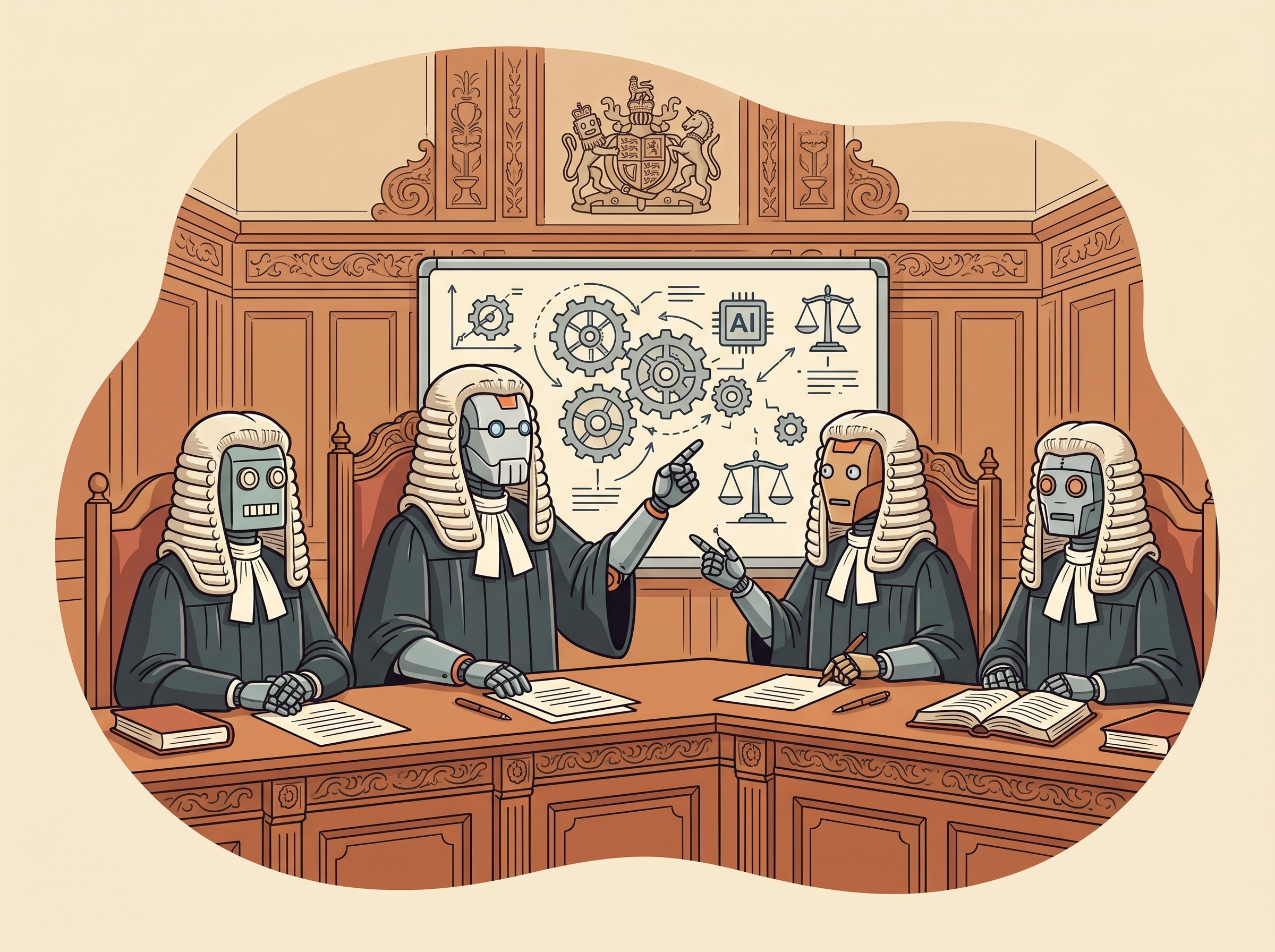
One prompt. Multiple stakeholders. In fact, an average of 6-10. All doing their own research.
Threaded into One conversation.
Assisted by a system that has read more about your brand than any individual ever can or will.
In that single thread, the AI:
Surfaces a short list of vendors.
Assembles a narrative about your category.
Explains your value—or your competitor’s—in their language, not yours.
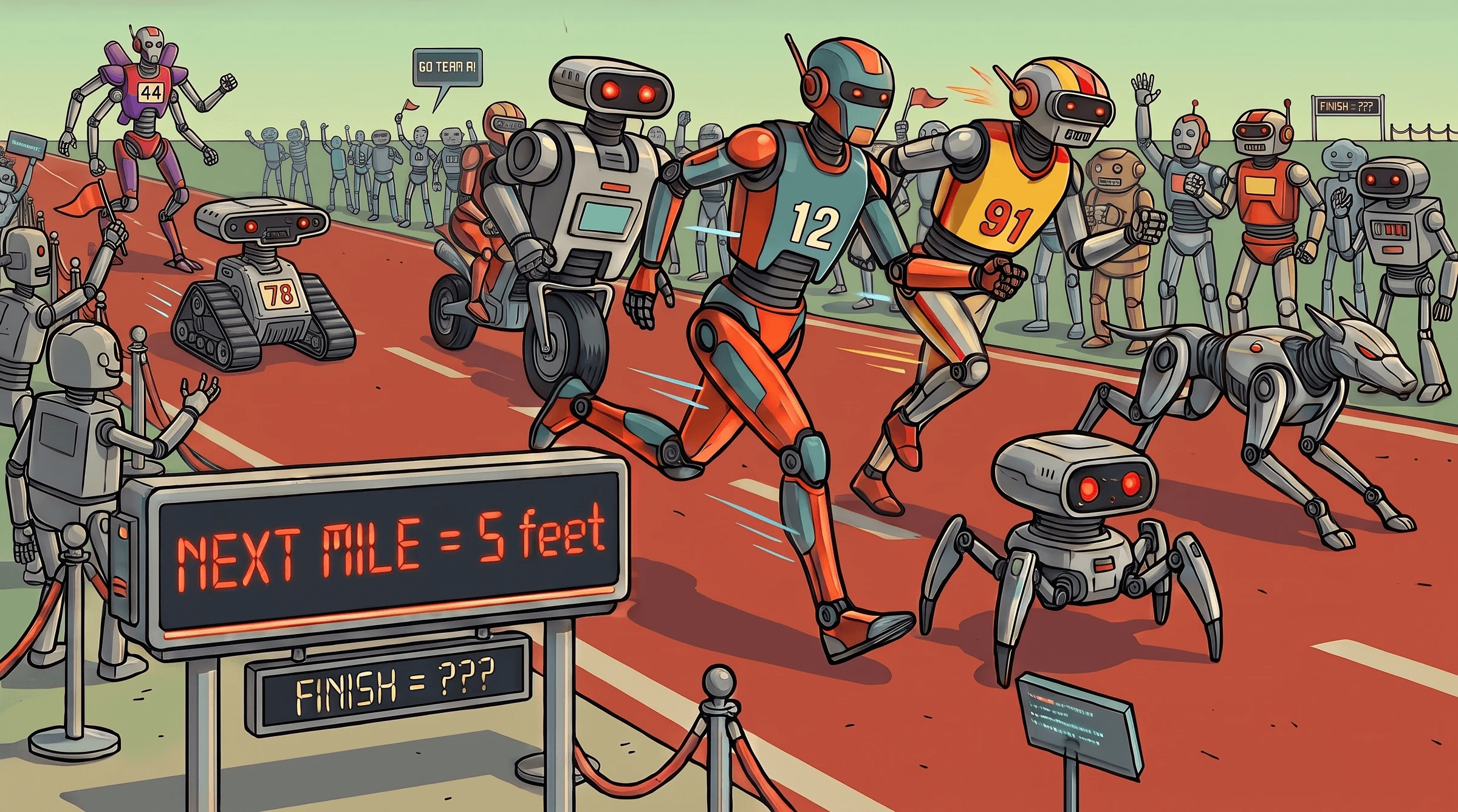
Your carefully designed funnel ? Awareness, consideration, selection, and even objection‑handling collapsed into a single prompt. Your customers journey ended before your funnel began.
If you are not part of that conversation, you are not part of the decision.
Here’s the tension every B2B marketer needs to sit with:
You are still building campaigns for a funnel where humans independently discover, compare, and then call you.
Your buyers are quietly delegating discovery, comparison, and short-listing to AI, across bigger, more complex buying groups.
While you are designing for SEO, measuring leads and pipeline progression; they are iterating prompts.
They expect B2C clarity with B2B complexity. They would rather ask an AI, scan peer reviews, and talk to one trusted human than wade through 40 pages of your website.
That means your real competition is not just the vendor across the street—it’s the short list generated by AI
So what does that mean for how to show up?
It means “share of prompt” becomes as important as “share of mind.” Not as a gimmick, but as a strategy.
Ask yourself:
Are we telling our story in a way that is not only clear enough humans, but simple enough for a model to interpret and reuse?
Are our proof points backed by data, visible, structured, consistent across channels and backed by authentic research?
Would an AI, reading everything about us, arrive at the same narrative we share in the boardroom?
It also means we stop treating the “lead” as a single person.
Here is the context. Every major deal is a coalition of different fears, incentives, and definitions of success. The CFO is de‑risking. The CIO is protecting architecture. The operator is protecting their team’s reality. The CEO is asking, “Will this move the needle on our strategy?”
AI is increasingly the medium through which that coalition explores options.
So our work shifts:
From broadcasting messages into a journey or funnel → to purposefully engineering how our value shows up in the answers.
From many disconnected assets → to creating a coherent, machine‑readable, human‑resonant narrative.
From guarding information behind forms and meetings → to making it radically easy for a buying group to get 80% of the way to a decision without us—and then inviting our teams in to help them pressure‑test what they’ve already learned.
The question, then, is no longer:
“How do we generate more leads?”
The more urgent question is:
“When our buyers ask AI for help — what does it actually say about us?”
If that answer isn’t the story you want told, that’s not a technology problem.
If you are still optimizing for impressions and MQL volume while ignoring what AI says about you, you are effectively marketing to a world that ended two years ago.
Your job is to make sure that when those invisible conversations happen, your brand is not just mentioned—but recommended, justified, and de-risked in language that resonates with a complex buying group.
That is the new brief for B2B marketing